𝗨𝗣𝗟𝗕-𝗡𝗖𝗣𝗖 𝗯𝗲𝗻𝗰𝗵𝗺𝗮𝗿𝗸𝗶𝗻𝗴 𝗳𝗮𝗰𝗶𝗹𝗶𝘁𝗮𝘁𝗲𝗱 𝗯𝘆 𝗖𝗼𝗻𝗴. 𝗖𝗵𝗲𝗱𝗶𝗻𝗴 𝗔𝗹𝘃𝗮𝗿𝗲𝘇 𝗮𝘁 𝗖𝗣𝗦𝗨 𝗳𝗼𝗿 𝗥𝗦𝗦𝗜 𝗿𝗲𝘀𝗶𝗹𝗶𝗲𝗻𝗰𝗲 𝗶𝗻 𝘁𝗵𝗲 𝗽𝗿𝗼𝘃𝗶𝗻𝗰𝗲
Aug 11, 2026 | News
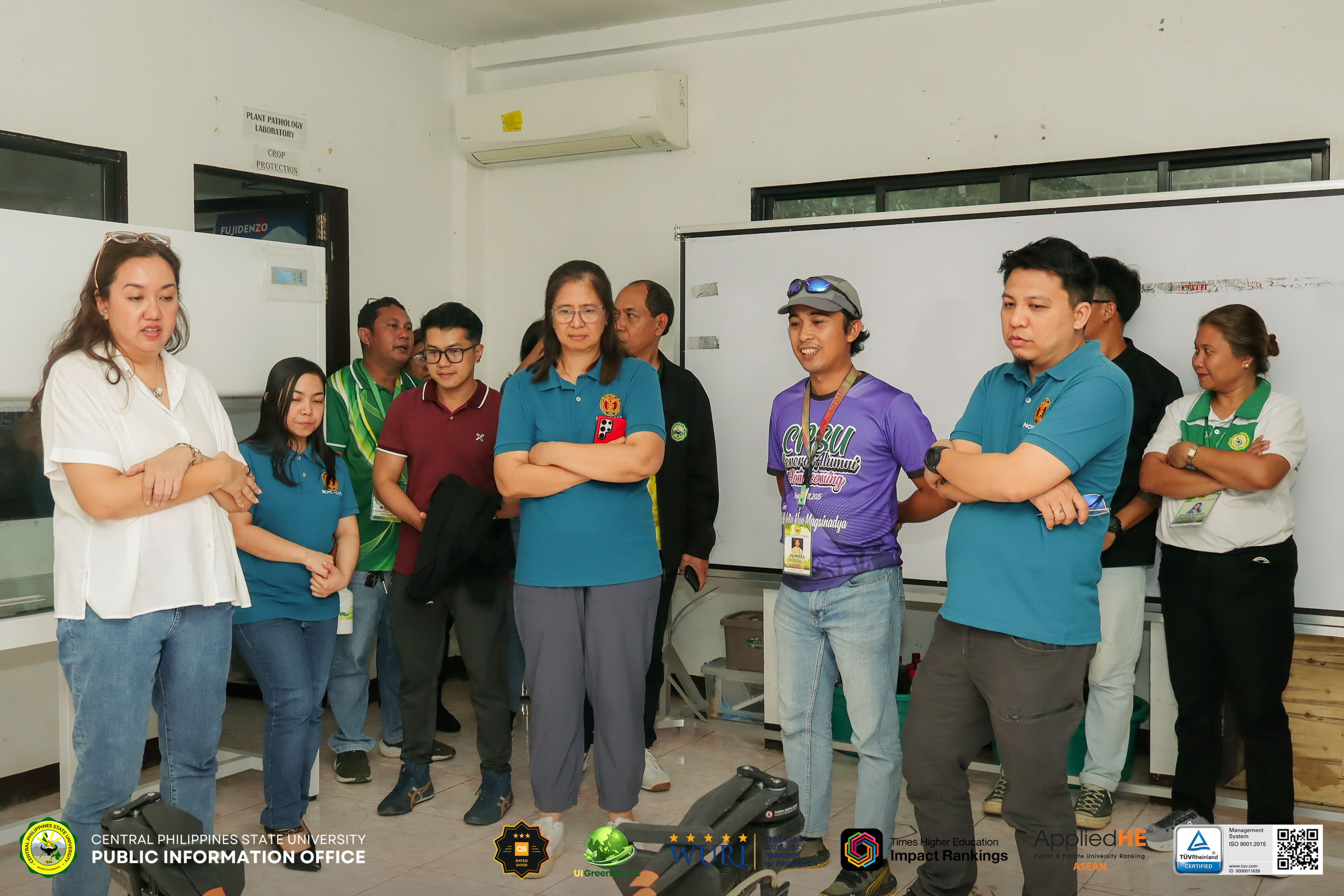
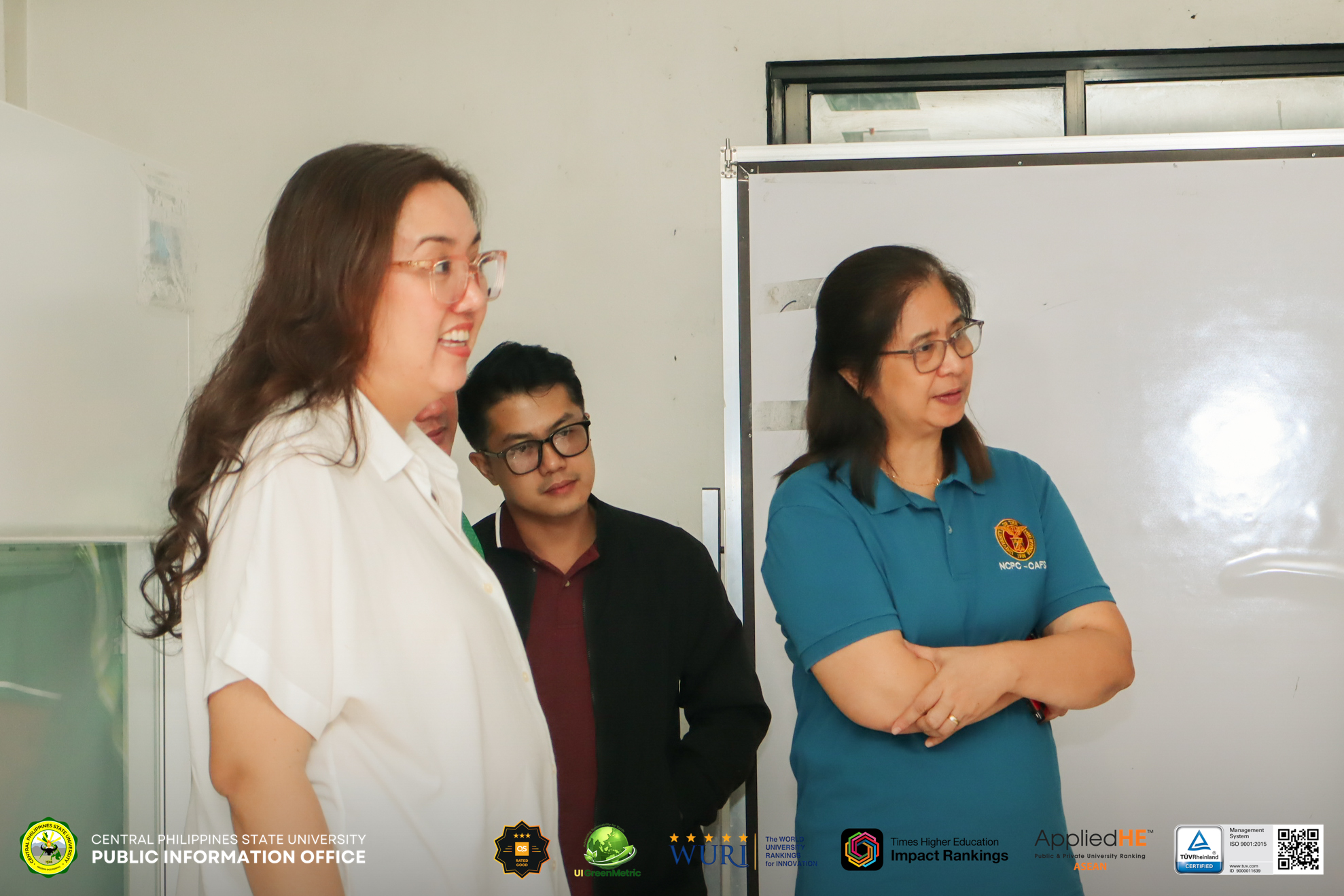
The University of the Philippines Los Baños–National Crop Protection Center (UPLB–NCPC) visited Central Philippines State University’s (CPSU) College of Agriculture and Forestry (CAF), courtesy of Negros Occidental 6th District Representative Hon. Mercedes “Cheding” K. Alvarez.
The engagement is generally geared toward addressing the agricultural and economic threats posed by the Red‑Striped Soft‑Scale Insect (RSSI) infestation to the sugarcane crops of local Negrense farmers.
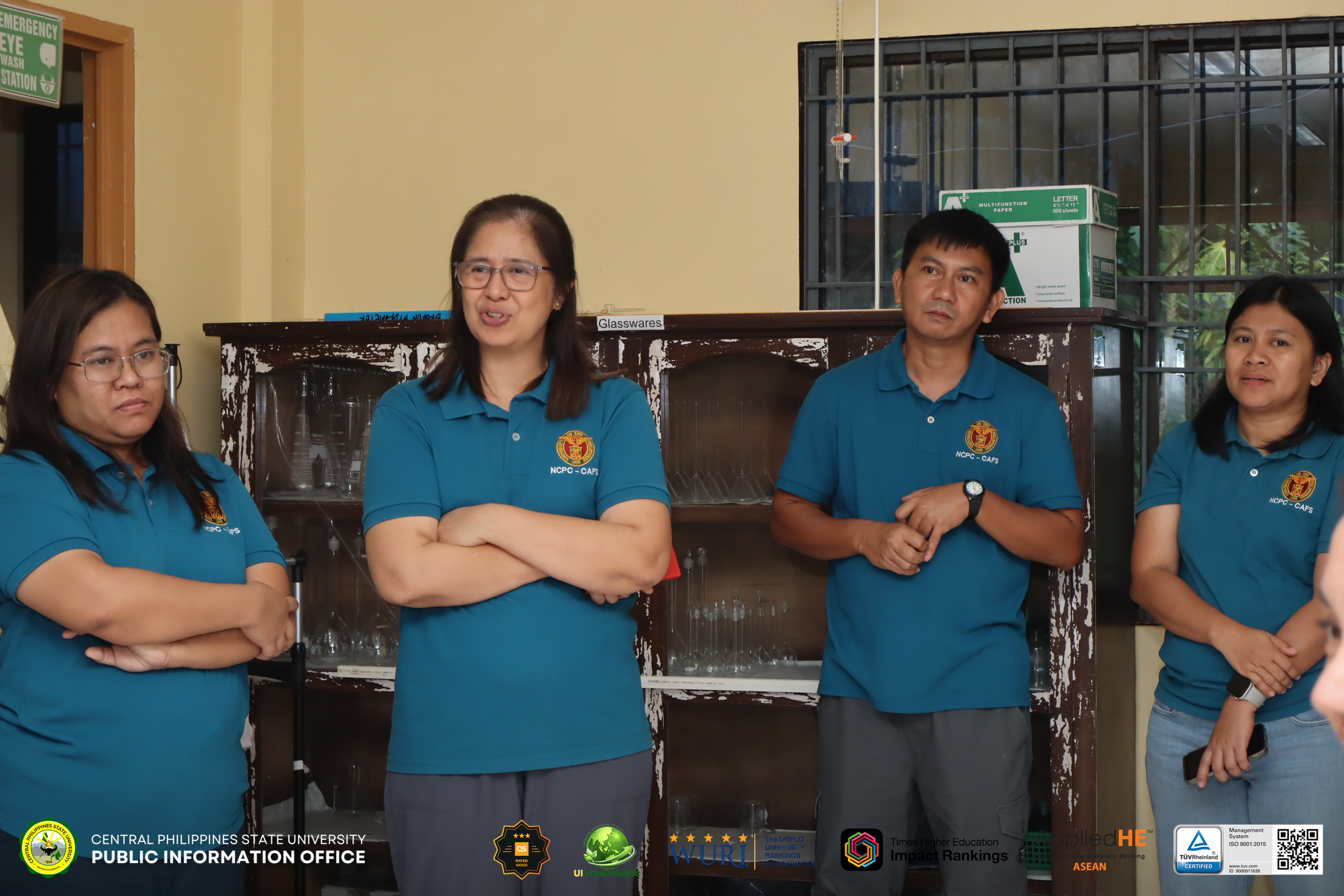
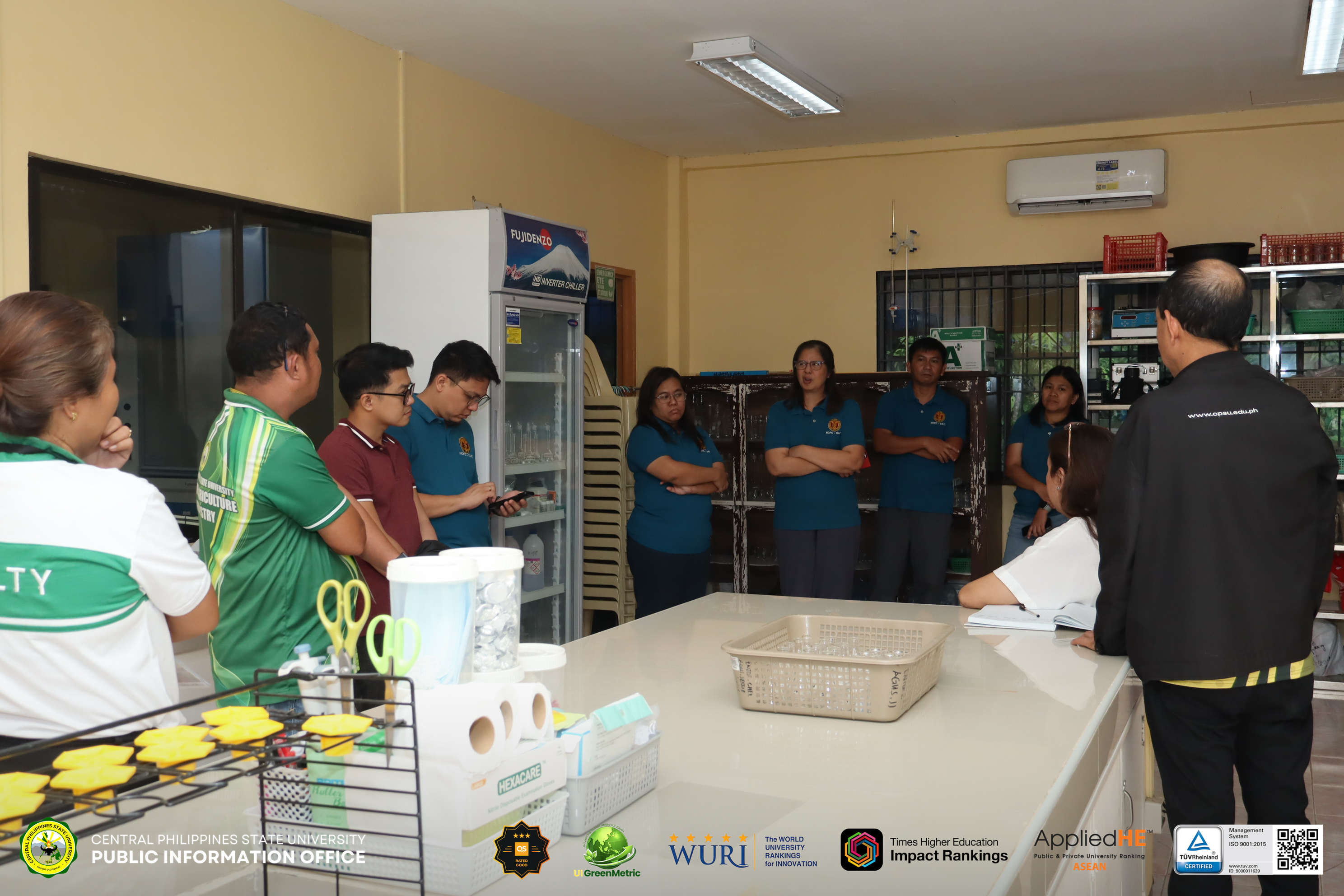
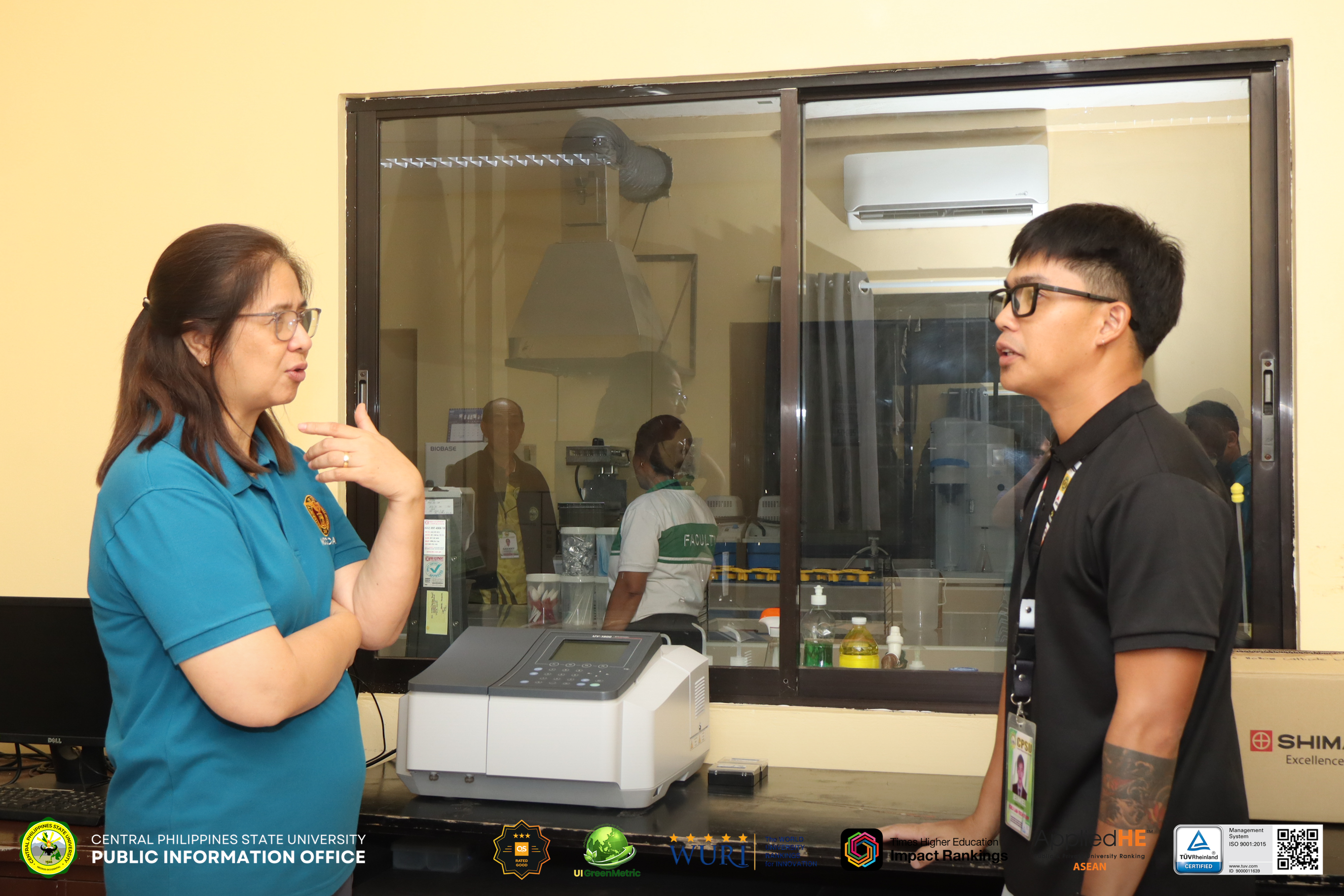
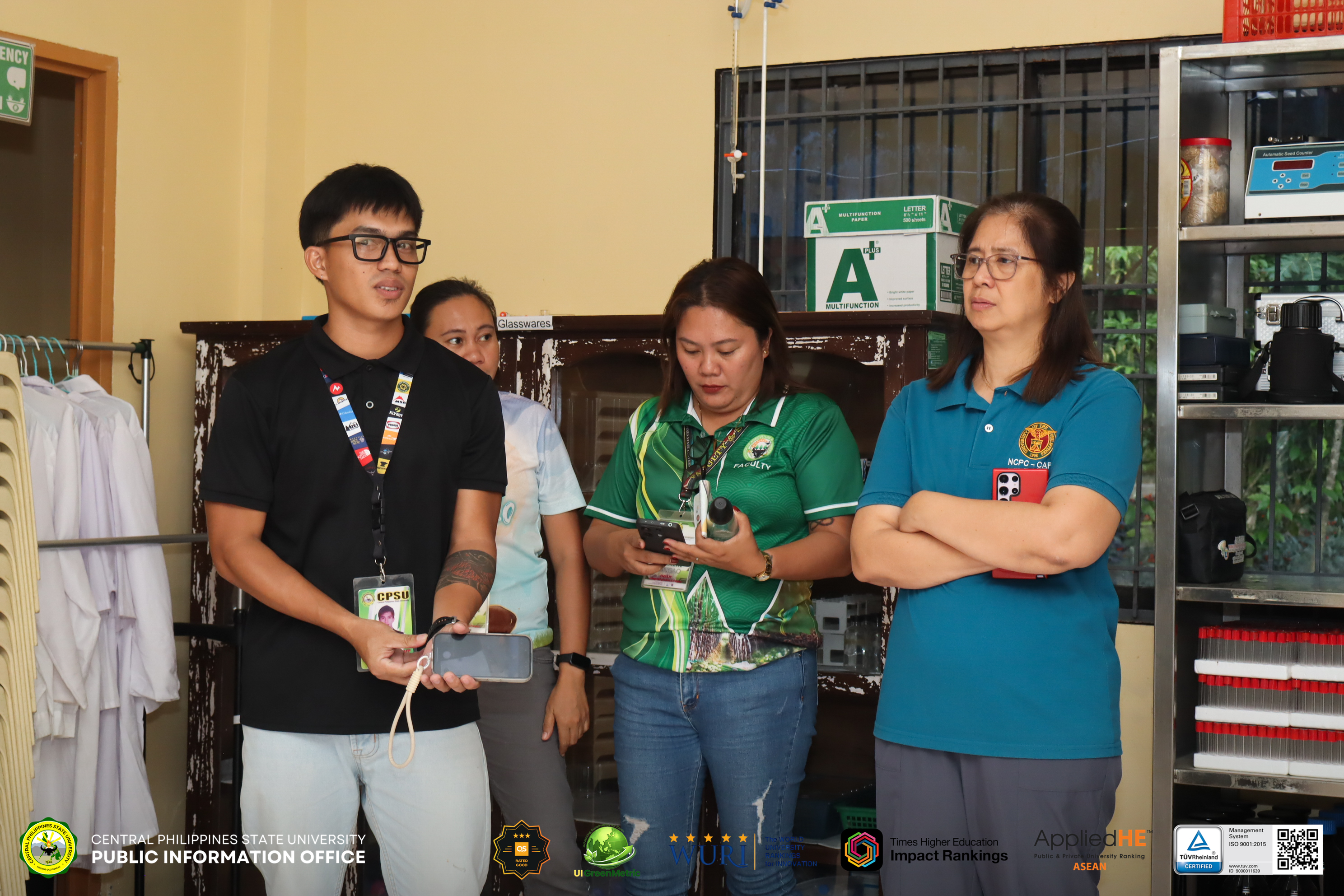
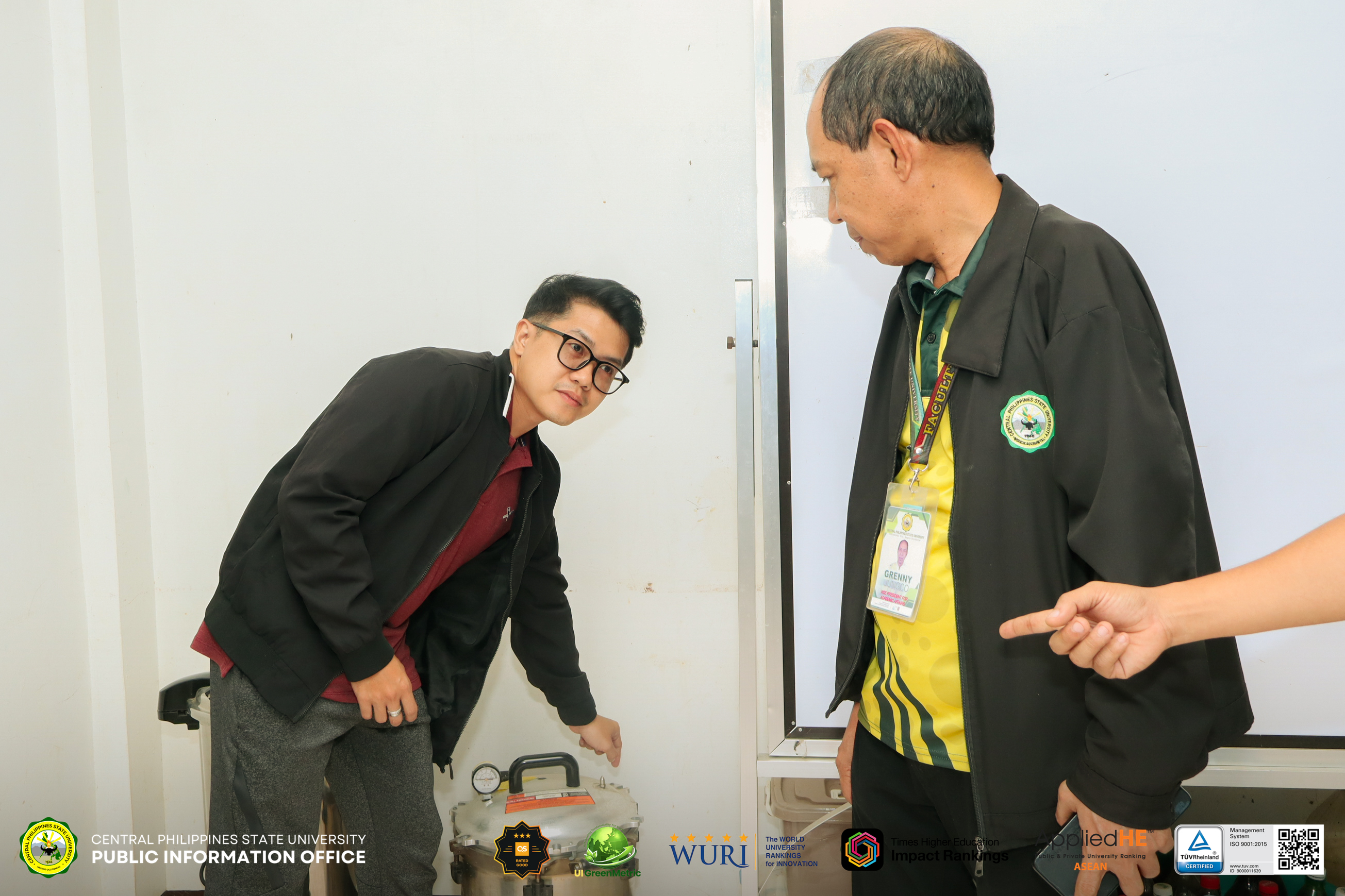
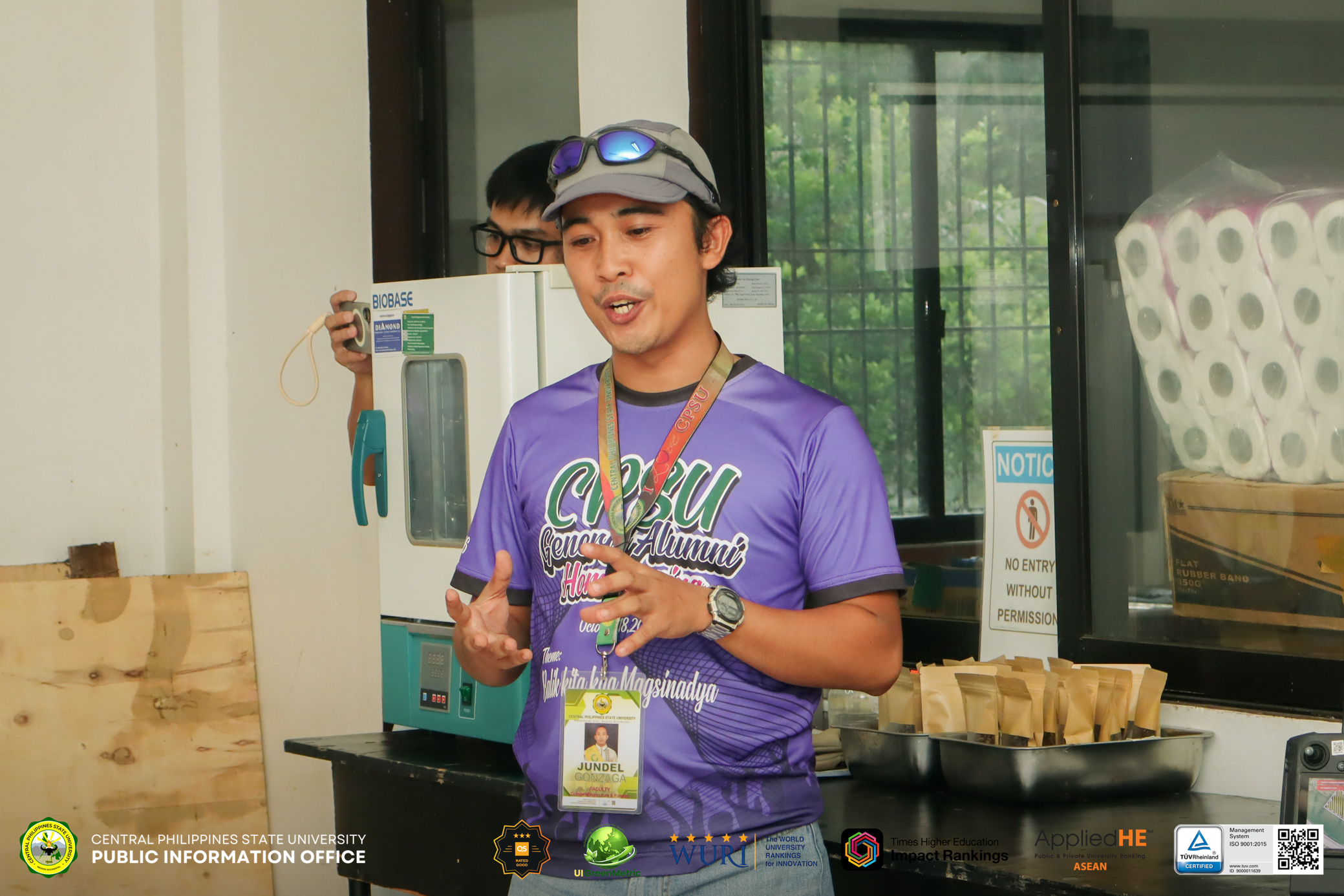
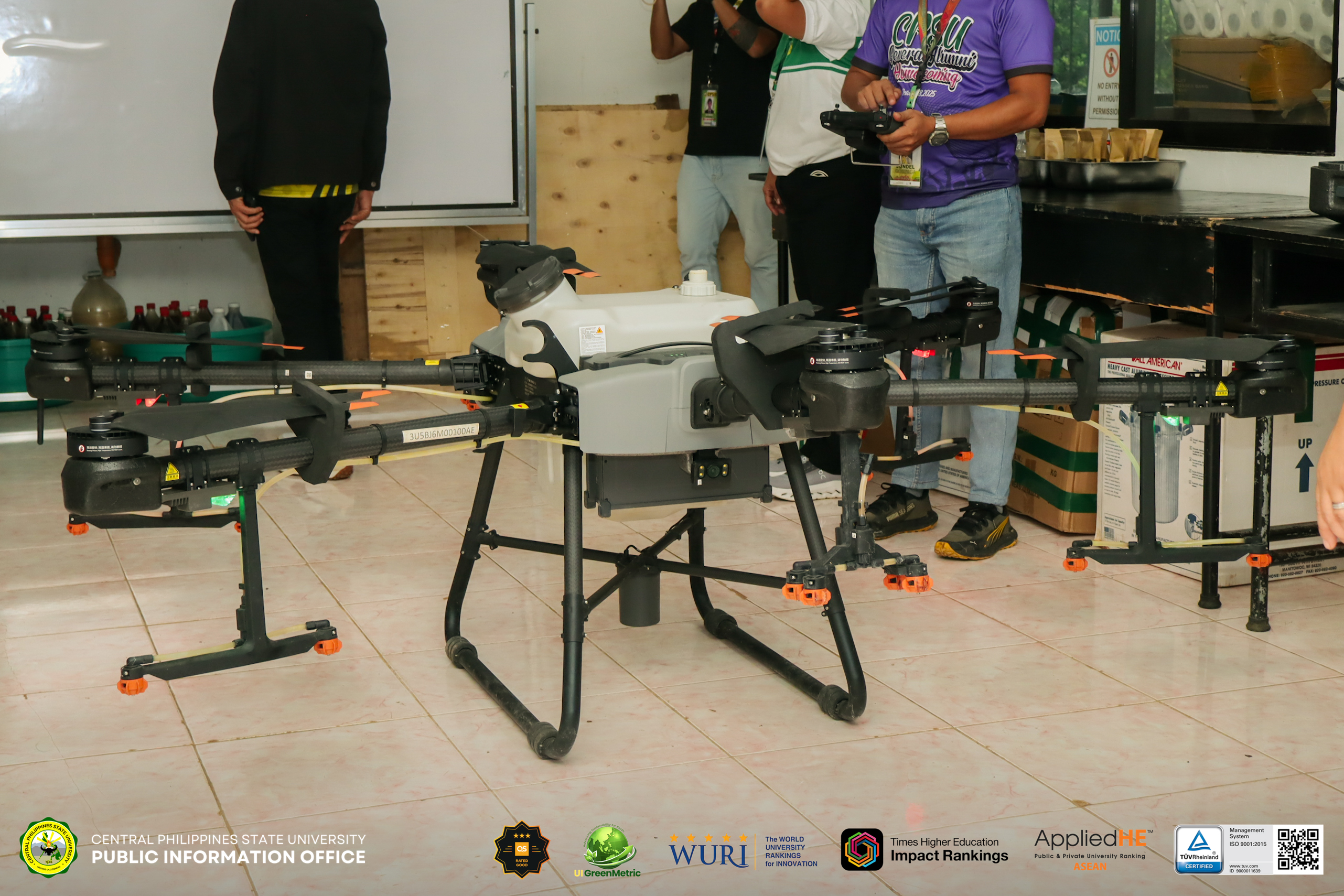
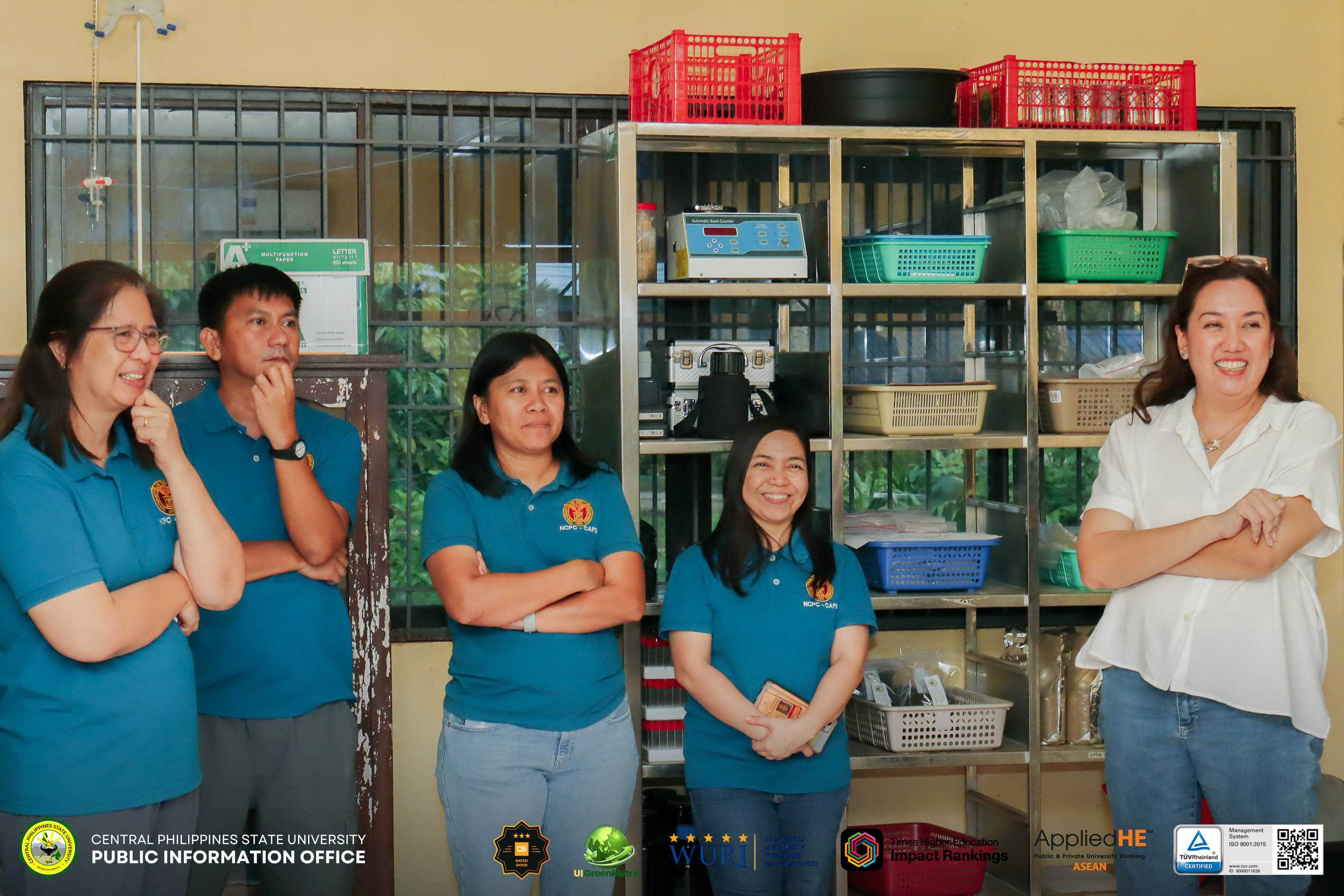
The visiting expert team was welcomed by the university officials to the CAF Soils Laboratory and Crop Protect Laboratory, where the faculty highlighted the current capacity of CPSU in the contributing to the advancement of research and in conducting relevant laboratory processes to test interventions and help contribute to science-based and data-driven responses to the RSSI infestation.
UPLB–NCPC Director and UP Scientist III, Prof. Barbara L. Caoili, PhD, led her team, with Congresswoman Cheding Alvarez, and was welcomed by CPSU’s Vice President for Academic Affairs, Dr. Grenny I. Jungco, and CAF Dean, Dr. Hanzel L. Pedrosa.
The CAF faculty showcased CPSU laboratory facilities, existing agricultural best practices, and ongoing studies and initiatives conducted by the faculty with the students—highlighting students' active involvement in research and proficiency with laboratory facilities and apparatus.
According to a news article by the Philippine News Agency published on their official website on August 9, 2026, the Sugar Regulatory Administration (SRA) reported that 78,352 hectares of sugarcane plantations have been damaged as of July 17; 22,792.25 hectares have been confirmed, which involved 15,135 farmers across Negros Island, and 19 cities and municipalities affected in Negros Occidental and eight in Negros Oriental.
“We are here through the invitation of Congresswoman Cheding for the RSSI, and then during our short meeting with her earlier this year," last month, she mentioned that Biocon (Biological Control) agents need to be mass-produced. And she mentioned, "na merong laboratory kayo dito at baka pwede kayong ma-train, which is one of the mandates of NCPC: to capacitate the SUCs. Yes, so it matched, and it aligned. That’s why nandito kami and nagbe-benchmark kami. Tinitingnan namin if capable ba kayo and yung facilities niyo ba ay enough for mass production of bio-con agents. For the strong point, the equipment or what you have right now is really good. So in terms of biological control of the RSSI, I think madali na yung sa microbials, mukhang may pathologist, and I think may entomologist din. So siguro ang kailangan, and ang ma-co-contribute din ng NCPC is on the microbials like the predators,” said Professor Caoili.
When asked about a quick message for the students and the partner farmers of the university regarding the possible collaboration of UPLB-NCPC and CPSU, Professor Caoili answered, “[For] the possible collaborations, maybe they will be strengthened so that we can solve our problems in the RSSI using green, or biological control, or nature-based solutions. And then for the students, they could help refine, because [for example] there is technology that has been developed and we supply it in the field, meron at meron yang problems na mai-encounter and those students could help identify those problems and solve those problems.”
NCPC Deputy Director and University Researcher IV, Dr. Michelle S. Guerrero added, “If there's a crop protection major, maybe it is also an encouragement to students na relevant yung pagkuha ng crop protection major because, now we have invasive pests. So this could encourage them [to take agriculture programs].”
According to its official website, the UPLB-NCPC “stands as a primary institution for Research and Development, Extension as part of the University of the Philippines Los Baños’ serious efforts in promoting the country’s food security and agricultural sustainability through an effective pest management program.”